

Author: Michelle Montenegro, Associate, Corporate Department
In business practice, it is common to assume that registering a company automatically protects the business name against third parties.
However, from a legal standpoint, the trade name, commercial name, and trademark are distinct concepts, governed by different regulations and serving their own specific purposes.
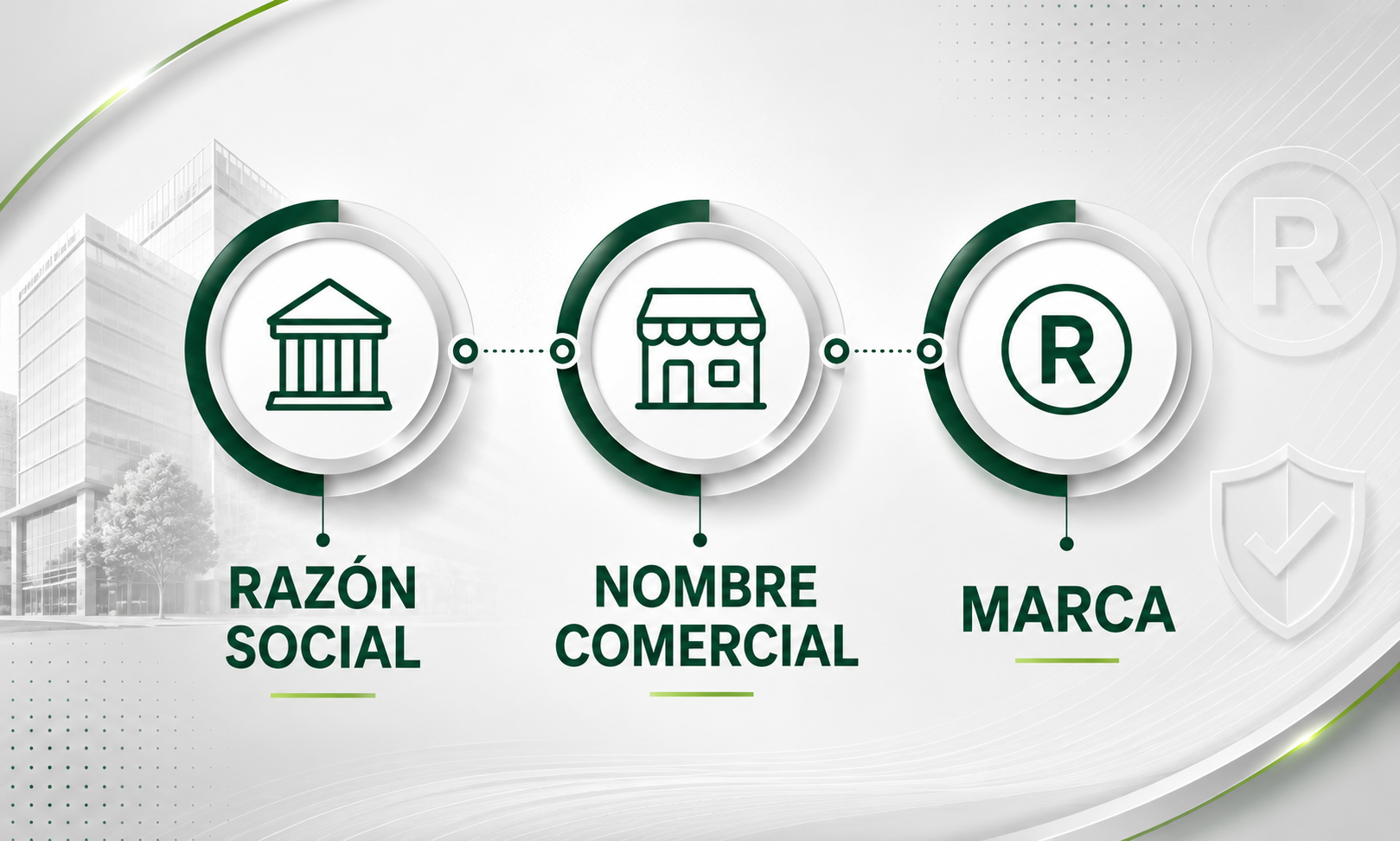
The trade name or corporate name belongs to the domain of corporate law and is governed by the Commercial Code. Its primary function is to legally identify a company and distinguish it from other registered legal entities. This registration is carried out before SEPREC, the entity responsible for the Commercial Registry in Bolivia.
The commercial name and the trademark, on the other hand, fall within the industrial property system governed by Decision 486 of the Andean Community, and their registration is processed before SENAPI.
The commercial name is the sign that identifies a company, establishment, or economic activity in the marketplace. It is how the public recognizes a business in the course of its commercial activities.
A trademark, by contrast, serves a different purpose: to identify and distinguish products or services from those offered by other competitors. Its function is to allow consumers to associate certain products or services with a specific business origin.
This distinction is not merely theoretical. It has significant practical consequences.
A company may have a trade name duly registered before SEPREC and yet have no registered trademark before SENAPI. Likewise, ownership of a registered trademark does not replace or guarantee rights over a commercial name previously used by a third party in the marketplace.
Therefore, before investing in advertising, developing a corporate identity, launching new products, or expanding a business, it is advisable to analyze each of these elements separately.
In simple terms:
✔️ The trade name identifies the legal entity.
✔️ The commercial name identifies the company or economic activity in the marketplace.
✔️ The trademark identifies the products or services offered.
Confusing these concepts can create unnecessary risks, disputes with third parties, and difficulties in adequately protecting a company’s intangible assets.
The legal protection of a business does not depend solely on its corporate incorporation, but also on a proper strategy for protecting its distinctive signs.